
International travel opens doors to new cultures, opportunities, and experiences, but it also requires careful attention to entry rules. Visa requirements differ widely from one country to another and depend on the traveler’s nationality, purpose of visit, and length of stay. Understanding these rules in advance helps avoid denied boarding, refused entry, or other complications at the border. This guide explains the main types of visas, common requirements, regional systems, and practical steps every international traveler should take.
Why Visa Rules Matter
A visa is an official permission issued by a country that allows a foreign national to enter, stay, or transit through its territory for a specific purpose and duration. Some countries grant visa-free access to citizens of certain nations, while others require advance approval. Even when a visa is not required, travelers may still need to complete an electronic travel authorization or meet other entry conditions such as proof of funds, return tickets, or health documentation.
Failing to check requirements can result in significant disruption. Airlines often verify travel documents before departure, and immigration officers have the authority to refuse entry if conditions are not met. Because rules change periodically, relying on outdated information is risky.
Main Types of Visas and Travel Authorizations
Tourist or visitor visas are the most common type for holiday and short personal trips. These usually allow stays ranging from a few weeks to several months and prohibit paid work. Business visas cover meetings, conferences, and commercial activities that do not involve local employment. Student visas and work visas involve more extensive documentation and longer processing times because they relate to study or employment rights.
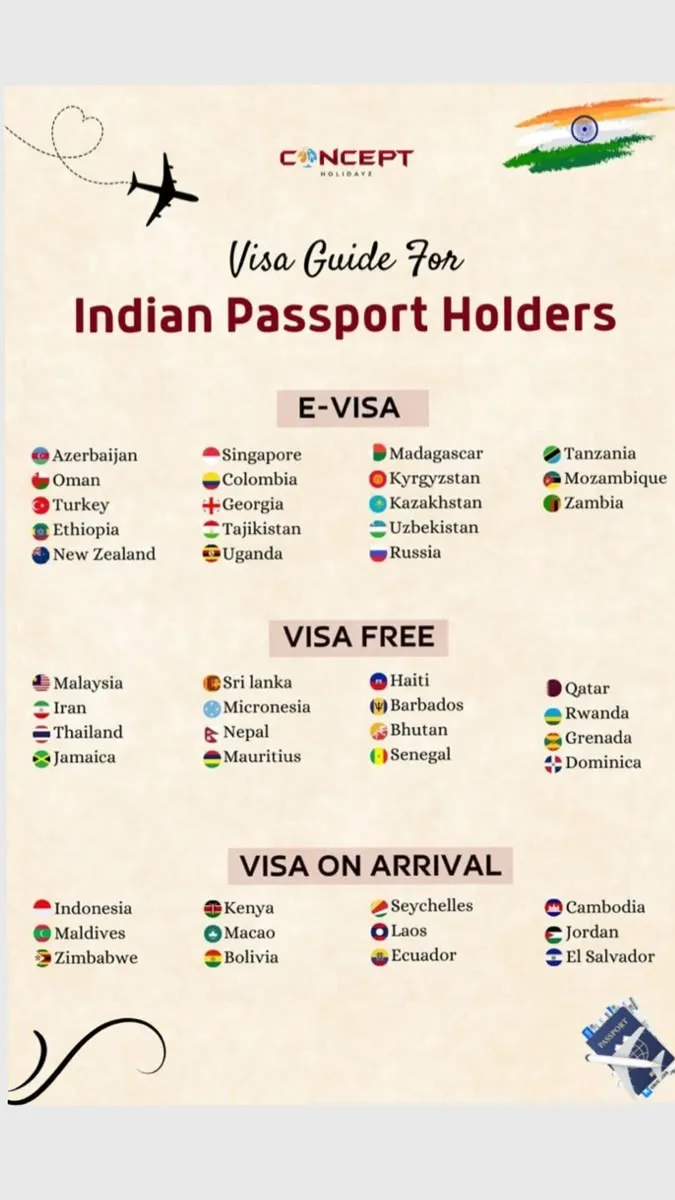
Many countries now use electronic systems. An e-visa is applied for and issued online, often with a digital approval that is linked to the passport. Visa on arrival allows eligible travelers to obtain the visa at the port of entry, though some countries still require pre-approval or payment of fees. Electronic travel authorizations, such as those used in visa-waiver programs, are not full visas but pre-screening approvals required before travel.
Transit visas may be needed when changing planes or passing through a country on the way to a final destination, especially if the traveler must exit the international transit area.
Regional Visa Systems Travelers Should Know
One of the most important regional arrangements is the Schengen Area in Europe. A short-stay Schengen visa generally permits travel across the participating countries for up to 90 days in any 180-day period. Travelers must still respect the overall limit and the rules of the country that issued the visa. Longer stays usually require national visas issued by individual member states.
Other regions have their own coordinated or reciprocal arrangements. Some countries participate in visa-waiver programs that allow short visits without a traditional visa, provided an electronic authorization is obtained in advance. Understanding whether a destination belongs to a wider free-movement or simplified-entry zone helps travelers plan multi-country itineraries more efficiently.
Common Documents and Requirements
Although exact requirements vary, most visa applications ask for a valid passport with sufficient remaining validity, often at least six months beyond the planned departure date. Application forms, recent photographs that meet specific size and background rules, and proof of travel plans such as flight reservations and accommodation bookings are frequently required.
Many countries ask for evidence of sufficient funds to cover the stay and a return or onward ticket. Travel insurance that includes medical coverage is increasingly requested or strongly recommended. For longer or more complex visas, additional documents such as invitation letters, bank statements, employment letters, or academic acceptance letters may be necessary.
Biometric data, including fingerprints and photographs, are collected by a growing number of countries at the application stage or upon arrival. Some nations also have health-related entry rules or require proof of certain vaccinations.
How Nationality Affects Visa Access
Passport strength plays a major role in how easily a person can travel. Citizens of some countries enjoy visa-free or visa-on-arrival access to a large number of destinations, while others face more extensive requirements. Reciprocity also influences policy: countries often adjust their rules based on how their own citizens are treated abroad.
Even travelers from countries with relatively open access should verify conditions for each specific destination. Rules can differ for tourism versus business, and previous travel history, including stamps from certain countries, can occasionally affect entry to others.
Practical Steps for Checking and Applying
The most reliable source of information is the official government website of the destination country or its embassy or consulate in the traveler’s home country. Airline websites and reputable travel advisories can provide useful overviews, but final confirmation should come from official channels.
Travelers should begin the process early. Some visas are issued within days, while others take several weeks or longer, especially during peak periods. Appointments for biometric submission or interviews may be required. Keeping digital and paper copies of all submitted documents and approvals is a prudent precaution.
It is also wise to review entry requirements again close to the departure date, as rules can change with little notice due to diplomatic, health, or security developments.
Special Situations and Additional Considerations
Travelers with dual nationality should use the passport that offers the best entry conditions for the destination and ensure they meet exit requirements of the country they are leaving. Those with criminal records, previous visa refusals, or certain health conditions may face additional scrutiny or inadmissibility rules.
Overstaying a visa can lead to fines, deportation, future entry bans, or difficulties obtaining visas for other countries. Strict adherence to the permitted duration and conditions of stay is essential.
Families traveling with children should confirm whether consent letters, birth certificates, or additional documentation are required, particularly when only one parent is accompanying the child.
Planning Ahead for Smooth Travel
Successful international travel depends on preparation. Checking visa requirements should be one of the first steps after choosing a destination, not an afterthought. Building extra time into the schedule for applications, possible delays, and document gathering reduces stress and lowers the risk of problems.
Travelers should also consider the cumulative rules for multi-country trips. Entering one country in a regional zone may start a clock that affects the total allowed stay across several destinations. Understanding these interconnected rules prevents unintentional overstays.
Conclusion: Informed Travel Starts with the Right Documents
Visa requirements form a fundamental part of international mobility. While the variety of rules can appear complex, a systematic approach makes the process manageable. Identify the correct visa or authorization type for the purpose of travel, gather the necessary supporting documents, apply through official channels, and verify conditions close to departure.
By treating visa preparation as an essential element of trip planning rather than a bureaucratic hurdle, travelers protect themselves from disruption and gain greater confidence on the road. Rules will continue to evolve, but the principle remains constant: accurate, up-to-date information from official sources is the foundation of smooth and lawful international travel.
Read more – topstablegames.com
