
Technology has transformed the way people live, work, and interact with their surroundings. From smartphones and smart televisions to intelligent home systems and wearable devices, connected technology has become an important part of modern life. These devices are designed to make everyday activities easier, more efficient, and more personalised.
Smart devices use advanced technologies such as artificial intelligence, sensors, wireless connectivity, cloud computing, and automation to collect information, analyse data, and perform tasks with minimal human effort. They allow users to control different aspects of their homes, monitor health, improve security, and manage daily activities more effectively.
As connected living continues to grow, understanding how smart devices work and how they impact daily life has become increasingly important. This guide explains the technology behind smart devices, their benefits, common applications, challenges, and the future of connected living.
What Are Smart Devices?
Smart devices are electronic devices that can connect to the internet or other devices, collect data, and perform intelligent actions based on information they receive. Unlike traditional devices, smart devices can communicate, learn from user behaviour, and provide automated solutions.
Examples of smart devices include smart speakers, smart watches, smart home lighting systems, connected security cameras, smart appliances, fitness trackers, and intelligent transportation systems.
The main feature that separates smart devices from regular electronic products is their ability to connect, process information, and respond according to user needs.
How Smart Devices Work
Smart devices depend on a combination of hardware and software technologies to function effectively. Several key technologies work together to create connected experiences.
Sensors and Data Collection
Sensors are one of the most important components of smart devices. They allow devices to collect information from their environment.
For example, fitness trackers use sensors to monitor physical activity, heart rate, and movement. Smart security cameras use sensors to detect motion and identify activity around a property.
The data collected by sensors helps devices understand situations and provide useful responses.
Internet Connectivity and Communication
Smart devices require communication networks to exchange information. Internet connectivity allows devices to send and receive data, communicate with applications, and provide remote control features.
Wireless technologies such as Wi-Fi, Bluetooth, and other communication systems help connect devices with smartphones, computers, and other smart systems.
This connectivity creates an ecosystem where multiple devices can work together.
Artificial Intelligence and Machine Learning
Artificial intelligence plays an important role in making devices smarter. AI allows devices to analyse data, recognise patterns, and make decisions based on user behaviour.
For example, smart assistants can understand voice commands, while smart home systems can adjust settings based on user preferences.
Machine learning helps devices improve over time by learning from repeated activities and interactions.
Cloud Computing Technology
Many smart devices rely on cloud computing to store and process large amounts of data. Instead of performing all calculations within the device itself, information can be processed through powerful cloud systems.
Cloud technology allows users to access device information remotely and receive updates without replacing hardware.
It also helps companies improve services by analysing device performance and user requirements.
Types of Smart Devices Used in Daily Life
Smart Home Devices
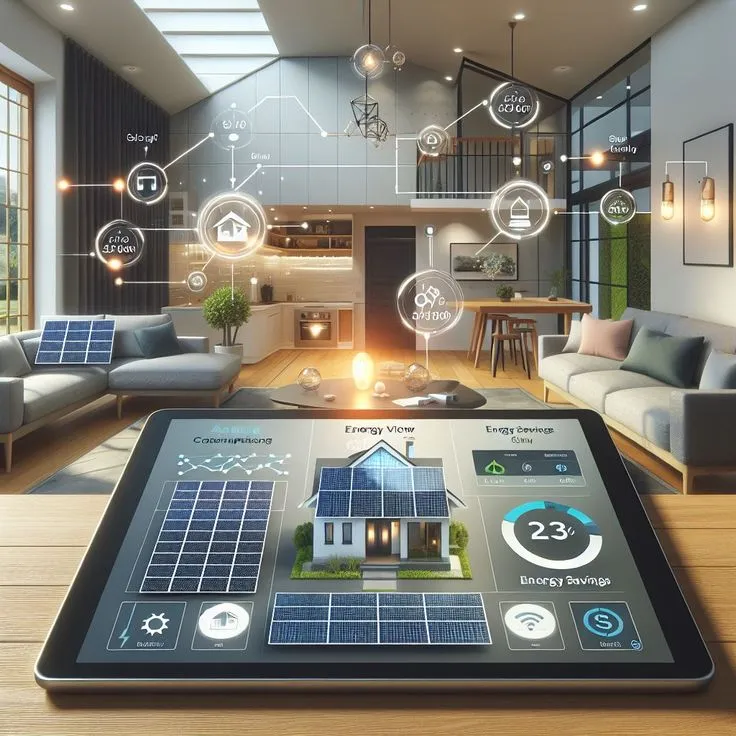
Smart home technology is one of the fastest-growing areas of connected living. Smart lights, thermostats, security systems, door locks, and appliances help homeowners control and automate household activities.
Users can adjust lighting, monitor security cameras, manage energy usage, and control appliances through smartphones or voice commands.
Smart homes improve convenience while helping people manage resources more efficiently.
Wearable Smart Devices
Wearable devices such as smart watches and fitness trackers have become popular for health and lifestyle management.
These devices can monitor physical activity, track sleep patterns, measure health-related information, and provide notifications.
Wearable technology helps users become more aware of their daily habits and encourages healthier lifestyles.
Smart Entertainment Devices
Connected entertainment devices have changed the way people consume digital content. Smart televisions, streaming devices, and smart speakers provide personalised entertainment experiences.
These devices can recommend content, support voice control, and connect with other digital platforms.
Smart Security Devices
Security-focused smart devices help improve safety at homes and workplaces. Smart cameras, alarms, and monitoring systems allow users to check their surroundings remotely.
Real-time notifications and intelligent detection features help users respond quickly to unusual activities.
Smart Healthcare Devices
Smart healthcare technology supports better health monitoring and medical management. Connected health devices can help track important health information and support communication between patients and healthcare providers.
These technologies are becoming increasingly valuable for improving healthcare accessibility and personalised care.
Benefits of Smart Devices in Connected Living
Smart devices provide several advantages that improve comfort, efficiency, and convenience.
One major benefit is automation. Devices can perform tasks automatically based on user preferences, reducing manual effort.
Smart technology also improves time management by allowing users to control multiple systems from a single device. For example, smartphones can be used to manage home settings, receive alerts, and monitor connected devices.
Energy efficiency is another important advantage. Smart systems can help reduce unnecessary energy usage by automatically adjusting settings according to requirements.
Smart devices also improve accessibility by helping elderly individuals and people with disabilities manage daily activities more independently.
Role of the Internet of Things in Smart Technology
The Internet of Things is a major concept behind connected living. It refers to a network of physical devices that communicate and exchange information through digital connections.
IoT technology allows different devices to work together as part of a connected ecosystem. For example, a smart home system can connect lighting, security, appliances, and entertainment devices to create an integrated experience.
The growth of IoT is expected to continue as more industries adopt connected solutions.
Challenges of Using Smart Devices
Although smart devices provide many benefits, they also create certain challenges.
Data Privacy Concerns
Smart devices collect large amounts of personal information, which creates concerns about data privacy and security.
Users should understand device permissions, use strong security practices, and regularly update software to protect their information.
Cybersecurity Risks
Connected devices can become targets for cyberattacks if they are not properly secured. Weak passwords, outdated software, and unsafe networks can increase security risks.
Manufacturers and users must both focus on maintaining strong cybersecurity practices.
Cost and Compatibility Issues
Some smart devices can be expensive compared with traditional alternatives. Additionally, compatibility between different brands and systems can sometimes create challenges.
Choosing reliable devices and understanding technology requirements can help users make better decisions.
Future of Smart Devices and Connected Living
The future of smart devices is expected to be shaped by advancements in artificial intelligence, automation, and connectivity.
Artificial intelligence will continue making devices more personalised and capable of understanding human behaviour.
Smart homes may become more automated, with systems that predict user needs and adjust environments accordingly.
Healthcare, transportation, agriculture, and industries are also expected to benefit from connected technologies.
As technology develops, smart devices will likely become more integrated into everyday life, creating more efficient and personalised experiences.
How to Use Smart Devices Responsibly
Responsible use of smart technology is important for maintaining security and privacy. Users should choose trusted devices, create strong passwords, update software regularly, and understand privacy settings.
It is also important to avoid unnecessary dependence on technology. Smart devices should improve lifestyle without replacing important human interactions and activities.
A balanced approach allows people to enjoy the benefits of connected living while managing potential risks.
Conclusion
Smart devices have become an essential part of modern connected living by combining artificial intelligence, sensors, internet connectivity, and automation. They help people manage homes, monitor health, improve security, and simplify everyday tasks.
While smart technology offers many advantages, users must also consider privacy, security, and responsible usage. Understanding how these devices work allows individuals to make better decisions and use technology effectively.
As innovation continues, smart devices will play an even greater role in shaping the future of daily life. Connected living is not just about advanced technology; it is about creating smarter, safer, and more convenient experiences for people around the world.
