
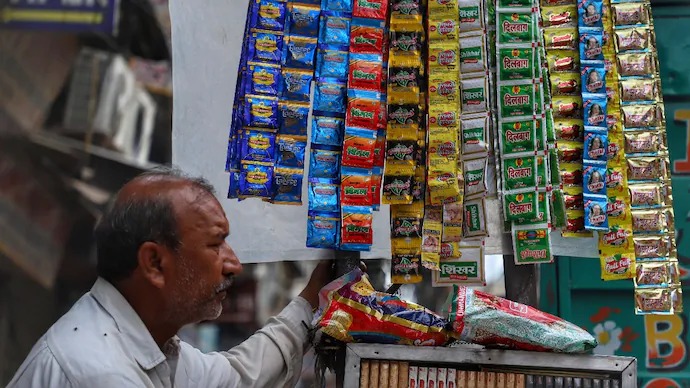
Plastic Packaging Faces New Restrictions
The packaging used for pan masala products is facing an important change in India as food safety authorities move toward restricting plastic-based packaging materials. The Food Safety and Standards Authority of India, commonly known as FSSAI, has introduced requirements that push manufacturers toward alternatives such as paper, tin, and glass for certain food-related packaging.
This move has attracted attention because pan masala has traditionally been sold in lightweight plastic pouches and multilayer packaging. These packs are inexpensive, easy to transport, and convenient for retailers, but they also create significant waste after consumption. The proposed packaging shift could therefore affect manufacturers, distributors, retailers, and consumers at the same time.
The pan masala packaging ban is mainly connected with concerns around packaging safety and environmental waste. Manufacturers will need to carefully review their existing packaging systems and make changes where required under applicable food safety rules.
Why Plastic Packaging Became An Issue
Plastic packaging has remained popular across the pan masala industry for several practical reasons. It costs relatively little, protects products from moisture, weighs almost nothing, and can be produced in large quantities without major logistical difficulties.
The problem becomes more complicated after consumers throw these small packets away. Unlike larger plastic containers that may have a better chance of entering organized recycling systems, tiny multilayer pouches can be difficult to collect and process economically.
This has created growing concerns about plastic waste across India. Small sachets and flexible packaging can remain in the environment for long periods when they are not properly collected. The packaging question has therefore moved beyond manufacturing costs and entered the broader discussion around food safety, waste management, and sustainable packaging.
For companies selling pan masala, changing packaging will not simply mean replacing one material with another. Production equipment, storage arrangements, printing processes, transportation methods, and packaging costs may all require adjustments.
Paper, Tin And Glass Become Alternatives
Under the reported direction of the new requirements, manufacturers are expected to consider materials including paper, tin, and glass instead of plastic packaging for affected products. Each option comes with different advantages and practical limitations.
Paper-based packaging can reduce dependence on conventional plastic, although manufacturers must ensure that the material provides sufficient protection against moisture and contamination. Tin containers can offer stronger protection and durability, while glass provides a non-plastic packaging option that can be highly resistant to chemical interaction.
However, glass is heavier than plastic and can break during transportation if it is not handled properly. Tin also requires different manufacturing and supply-chain arrangements compared with flexible pouches.
Paper may appear to be the easiest alternative, but its suitability depends heavily on the product and the exact packaging construction. Food packaging must protect the contents while also meeting applicable safety requirements.
FSSAI Rules Matter For Manufacturers
FSSAI plays a major role in setting food safety standards and regulating food businesses across India. Packaging materials that come into contact with food products are subject to safety requirements because unsuitable materials can potentially affect the quality or safety of the contents.
For manufacturers, the important point is that packaging cannot be treated simply as an advertising surface. The material used around a product must comply with relevant food safety requirements, including applicable standards for materials that come into contact with food.
Companies affected by the FSSAI packaging rules will therefore need to examine their current packaging specifications carefully. They may need to coordinate with packaging suppliers, quality-control teams, production departments, and regulatory professionals before making large-scale changes.
Businesses that ignore mandatory requirements could potentially face regulatory action depending on the specific violation and applicable enforcement provisions.
Manufacturers Could Face Higher Costs
Changing packaging materials could create additional costs for pan masala companies, particularly during the initial transition period. Existing machines may have been designed around flexible plastic pouches, meaning new equipment or modifications could become necessary.
Raw material prices could also influence the final cost of packaging. Tin, glass, and specialized paper packaging can have different production expenses compared with lightweight plastic materials.
Transportation is another important factor that companies cannot ignore. Plastic pouches take up little space and add almost no weight to shipments, while glass containers can significantly increase transportation weight and require stronger protective packaging.
These changes may eventually influence operating costs across the supply chain. Whether those costs reach consumers will depend on manufacturers, distributors, competition, taxes, and other market conditions.
Retailers May Notice Packaging Changes
Retail stores could also experience changes if pan masala products begin arriving in larger or heavier containers. Traditional small pouches are easy to store in large quantities, particularly in small shops where shelf and counter space is limited.
Alternative packaging may require more storage area or different arrangements. Glass products could require additional care because accidental drops may damage the containers and create safety concerns.
Retailers will also need to understand whether older packaging remains permitted during any transition period. The exact implementation timeline and applicable requirements are important because businesses should not assume that every existing product becomes illegal immediately after an announcement.
Consumers may notice different package shapes, sizes, weights, and designs as manufacturers adapt their products to new requirements.
Environmental Impact Could Be Significant
One major argument behind reducing plastic packaging is the potential environmental benefit. Small plastic packets are especially difficult to manage because their low individual value makes collection and recycling challenging.
Reducing such packaging could help limit the amount of difficult-to-recycle waste entering streets, drains, landfills, and other parts of the environment. Still, replacing plastic does not automatically make packaging completely sustainable.
Paper production uses resources, while glass manufacturing requires considerable energy because glass needs to be produced at high temperatures. Tin production also has environmental costs connected with mining, processing, and manufacturing.
The real environmental benefit will depend on how these alternative materials are produced, transported, used, collected, and eventually recycled or disposed of. Packaging policy therefore needs to consider the complete lifecycle rather than focusing on only one material.
Consumers Should Watch Product Labels
Consumers purchasing pan masala products may eventually notice significant changes in packaging. However, packaging changes should not automatically be interpreted as changes in the ingredients or safety profile of the product itself.
People should continue checking product labels for important information such as manufacturer details, ingredients, warnings, batch information, expiry dates, and applicable regulatory declarations.
The pan masala plastic packaging ban also does not mean that pan masala itself has suddenly become a different type of product. The primary issue concerns the material used to package affected products and the requirements manufacturers must follow.
Consumers should also dispose of packaging responsibly regardless of the material involved. Switching from plastic to paper, tin, or glass does not eliminate the need for proper waste collection.
Industry Needs A Practical Transition
The pan masala industry is likely to require time and planning if packaging requirements change significantly. Large manufacturers may have more resources to redesign packaging and upgrade machinery, while smaller businesses could face greater financial and operational pressure.
Packaging suppliers will also become important participants in this transition. They will need to develop materials that satisfy regulatory requirements while still protecting products during manufacturing, transportation, and retail storage.
A successful transition will require clear regulatory communication. Manufacturers need to know exactly which products are covered, which packaging materials are permitted, what technical specifications apply, and when compliance becomes mandatory.
Without clear timelines and practical guidance, businesses could struggle to make changes efficiently.
Plastic Waste Rules Keep Evolving
India has introduced several measures in recent years aimed at reducing plastic pollution and improving waste management. These efforts have affected manufacturers across many consumer-product categories.
The latest focus on pan masala packaging fits into a larger conversation about how products are packaged and what happens to that packaging after use. Small-format consumer packaging has become particularly important because enormous numbers of individual packets can enter the waste stream every day.
For businesses, the lesson is fairly straightforward. Packaging decisions increasingly need to consider regulatory compliance, environmental impact, recyclability, consumer convenience, and production economics together.
Companies that regularly monitor regulatory developments can generally prepare earlier instead of making rushed changes after enforcement begins.
What Could Happen Next
The next stage will depend on the detailed implementation of the applicable FSSAI requirements and any related government notifications or enforcement directions. Manufacturers will need to confirm the exact rules that apply to their products rather than relying only on headlines or social media claims.
If the requirements are implemented broadly, consumers could gradually see more paper, tin, and glass packaging across affected products. Packaging designs may also become larger or structurally different because manufacturers adjust their products to accommodate alternative materials.
The change could become an important test for India’s broader effort to reduce difficult-to-manage packaging waste while maintaining food safety standards.
Conclusion
The reported FSSAI packaging rules for pan masala represent a notable shift in how affected products may be packaged across India. Moving away from plastic could reduce certain forms of difficult-to-recycle waste, but manufacturers will face practical challenges involving cost, machinery, transportation, storage, and supply chains. Paper, tin, and glass each offer potential alternatives, although none is completely free from environmental or operational concerns. Consumers should focus on official product information and follow future regulatory updates as implementation develops. Manufacturers should begin reviewing their packaging systems and compliance requirements early.
