
A dramatic mid-air confrontation on a commercial flight from Dubai to Tel Aviv has drawn global attention to aviation security and the background of the accused co-pilot. Saudi broadcaster Al Arabiya, citing sources, identified the attacker as Omani national Hamam al-Hammami. Multiple reports, including those from The Wall Street Journal and other outlets citing people familiar with the matter, state that he had previously been barred from flying by Omani authorities due to concerns over his radical or extremist views before later joining flydubai.
The incident unfolded on flydubai Flight FZ1073, a Boeing 737 that departed Dubai International Airport bound for Ben Gurion Airport near Tel Aviv. Roughly two and a half hours into the journey, a violent struggle erupted in the cockpit. The co-pilot allegedly attacked the captain, Indian national Smit Machchhar, with a knife. The aircraft rapidly lost altitude, plunging thousands of feet in a matter of seconds to minutes according to flight data and official accounts. The plane transmitted emergency codes, including the hijacking signal, before passengers, crew members, and off-duty pilots travelling on board intervened.
Captain Machchhar, despite sustaining serious injuries and collapsing, managed to open the cockpit door. This allowed others to enter, overpower the attacker, and restore control. The flight diverted safely to Tabuk in northwestern Saudi Arabia, where both pilots received medical treatment. All passengers, reported as around 174 to 182 people with most being Israeli, later continued to Israel on a replacement aircraft. No passenger fatalities occurred.
Background of the Accused Co-Pilot
Hamam al-Hammami, reported as 29 years old, holds Omani citizenship. Sources indicate he was born in the United Arab Emirates to an Omani father and a Syrian mother and spent significant periods of his life in the UAE. He had previously worked for Oman Air, including as a co-pilot trainee. In 2024, while associated with the airline, he was flagged as a security risk after being found in possession of extremist materials or for visiting radical websites, according to intelligence and law enforcement officials cited in reports. Omani authorities prohibited him from flying duties. He was moved into an administrative role rather than fully separated from the airline at that time.
Reports further note that al-Hammami later worked for Royal Air Maroc for a period before joining flydubai. He had been with the UAE-based carrier for approximately eight to nine months at the time of the incident, or roughly a year according to some accounts. A professional networking profile associated with his name listed employment history consistent with these timelines before it was removed. Questions have arisen about the extent of background checks and information-sharing between airlines and authorities when he was hired by flydubai and assigned to the sensitive Dubai-Tel Aviv route.
Al Arabiya sources and other reporting have linked periods of his life outside Oman, including time connected to Syria, to the development of concerning ideological views. Israeli officials, including Prime Minister Benjamin Netanyahu, have stated that the co-pilot underwent Islamist radical indoctrination. Some Israeli media reports cited investigators suggesting exposure to al-Qaeda ideology and meetings with religious figures, though these details remain under active examination and have not been fully independently confirmed across all outlets. Netanyahu also indicated investigators were looking into whether the individual acted alone or under direction.
Captain’s Actions and Passenger Intervention
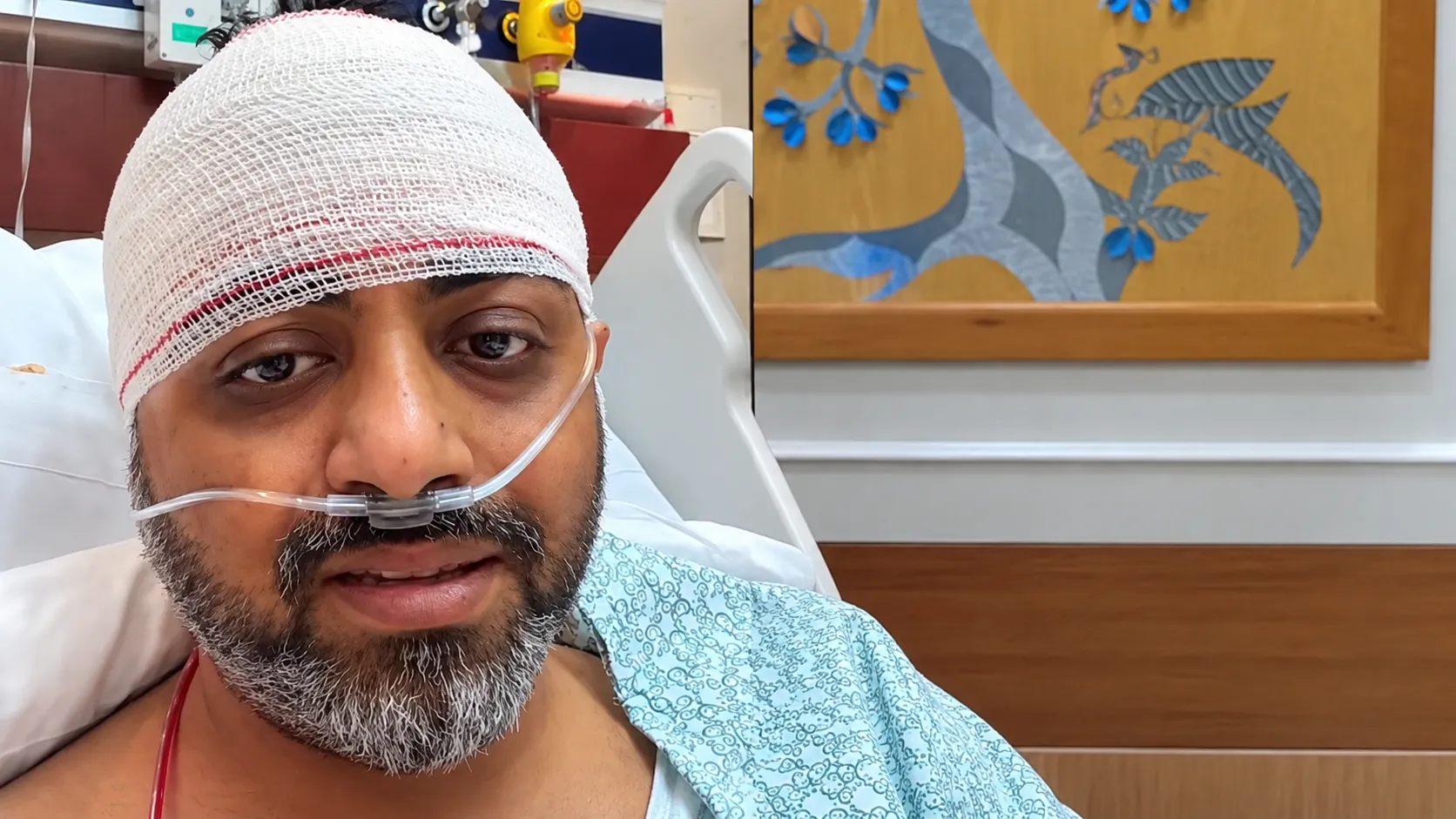
Captain Smit Machchhar has been widely praised for his role in preventing a potential catastrophe. In accounts shared after the event, including a conversation with Indian leadership, he described sensing the aircraft’s rapid descent while injured on the floor and making a final effort to open the door. He has spoken of fighting both for his own survival and to protect the lives of those on board. Off-duty crew members and passengers subdued the attacker, who was reportedly restrained and later transferred from Saudi Arabia to the UAE for further investigation. The co-pilot is said to have cooperated with authorities and indicated an intention to crash the aircraft in Israel.
The UAE attorney general opened a probe into whether the attack involved terrorist activity, prior planning, or external direction. Saudi authorities conducted initial inquiries after the emergency landing. Israeli agencies have also been involved in examining how the co-pilot came to be assigned to the flight. Flydubai temporarily paused services to Tel Aviv at the request of authorities while the full investigation proceeds with the airline’s cooperation.
Questions Over Vetting and Regional Aviation Security
The case has intensified scrutiny of pilot recruitment, security screening, and cross-border information sharing in the aviation industry, particularly on routes connecting the UAE and Israel. Reports note uncertainty about whether Omani concerns regarding al-Hammami were communicated to other carriers or national authorities. The incident highlights the challenges of monitoring ideological risks among flight crew and the importance of continuous vetting beyond initial hiring.
Captain Machchhar, who previously flew with an Indian carrier before joining flydubai, has been recovering from his injuries. His actions, along with those of the intervening passengers and crew, prevented what could have been a far more severe outcome. The rapid response and safe landing demonstrated both human resilience and the value of layered security measures, even as the underlying failures in screening are examined.
Investigations continue across multiple jurisdictions. Authorities are working to establish a complete picture of the co-pilot’s radicalisation process, employment history, and any possible external influences. The identification of Hamam al-Hammami and confirmation of his prior flying ban in Oman have provided key context, yet many operational and motivational details remain subject to ongoing official inquiries. The event serves as a stark reminder of the high stakes involved in commercial aviation security in a complex geopolitical environment.
Read more – grammarthink.com
