
The Supreme Court Collegium has recommended three High Court Chief Justices for elevation to the Supreme Court. The names include Delhi High Court Chief Justice Devendra Kumar Upadhyaya, Gujarat High Court Chief Justice Sunita Agarwal and Telangana High Court Chief Justice Aparesh Kumar Singh. The decision was taken at a meeting of the Collegium held on September 28, 2026, and marks an important step toward filling vacancies in the top court.
The Collegium’s Decision
The five-member Collegium, headed by Chief Justice of India Surya Kant and comprising Justices Vikram Nath, B.V. Nagarathna, M.M. Sundresh and P.S. Narasimha, recommended the three Chief Justices for appointment as judges of the Supreme Court. Once the recommendations are accepted by the government and warrants of appointment are issued, the working strength of the Supreme Court is expected to rise to 37 judges against the sanctioned strength of 38.
The move is significant for more than one reason. It would increase the representation of judges from the Allahabad High Court, the parent High Court of both Justice Agarwal and Justice Upadhyaya. It would also raise the number of women judges on the Supreme Court bench.
Profile of Justice Devendra Kumar Upadhyaya
Justice Devendra Kumar Upadhyaya currently serves as the Chief Justice of the Delhi High Court. Born on June 16, 1965, in Muskarai village of Ambedkar Nagar district in Uttar Pradesh, he studied law at Lucknow University and enrolled as an advocate in May 1991. He practised primarily at the Lucknow Bench of the Allahabad High Court and served as Chief Standing Counsel for the State of Uttar Pradesh from May 2007 until his elevation as a judge in November 2011.
He spent more than eleven years as a judge of the Lucknow Bench before being appointed Chief Justice of the Bombay High Court in July 2023. In January 2025, he was transferred and took charge as Chief Justice of the Delhi High Court. His elevation, if confirmed, would make him only the second legal practitioner from the Allahabad High Court’s Lucknow Bench to reach the Supreme Court in the last twenty-five years, underscoring the relative rarity of such a trajectory.
During his tenure in Delhi, Justice Upadhyaya also handled the initial inquiry related to the discovery of burnt cash at the residence of a High Court judge, a matter that drew significant public attention.
Profile of Justice Sunita Agarwal
Justice Sunita Agarwal is the Chief Justice of the Gujarat High Court, a position she has held since July 2023. Like Justice Upadhyaya, she hails from the Allahabad High Court, where she was appointed a judge in November 2011. She graduated in law from Awadh University in 1989 and entered the legal profession in December 1990.
Her elevation would be particularly notable as it would increase the number of women judges in the Supreme Court. Justice Agarwal ranks among the senior-most High Court judges in the country and has served as Chief Justice of Gujarat for a substantial period.
Profile of Justice Aparesh Kumar Singh
Justice Aparesh Kumar Singh currently heads the Telangana High Court. He was appointed a judge of the Jharkhand High Court in January 2012. He later served as Chief Justice of the Tripura High Court from April 2023 before being appointed Chief Justice of the Telangana High Court in July 2025. His parent High Court is Jharkhand, bringing representation from that jurisdiction to the proposed elevations.
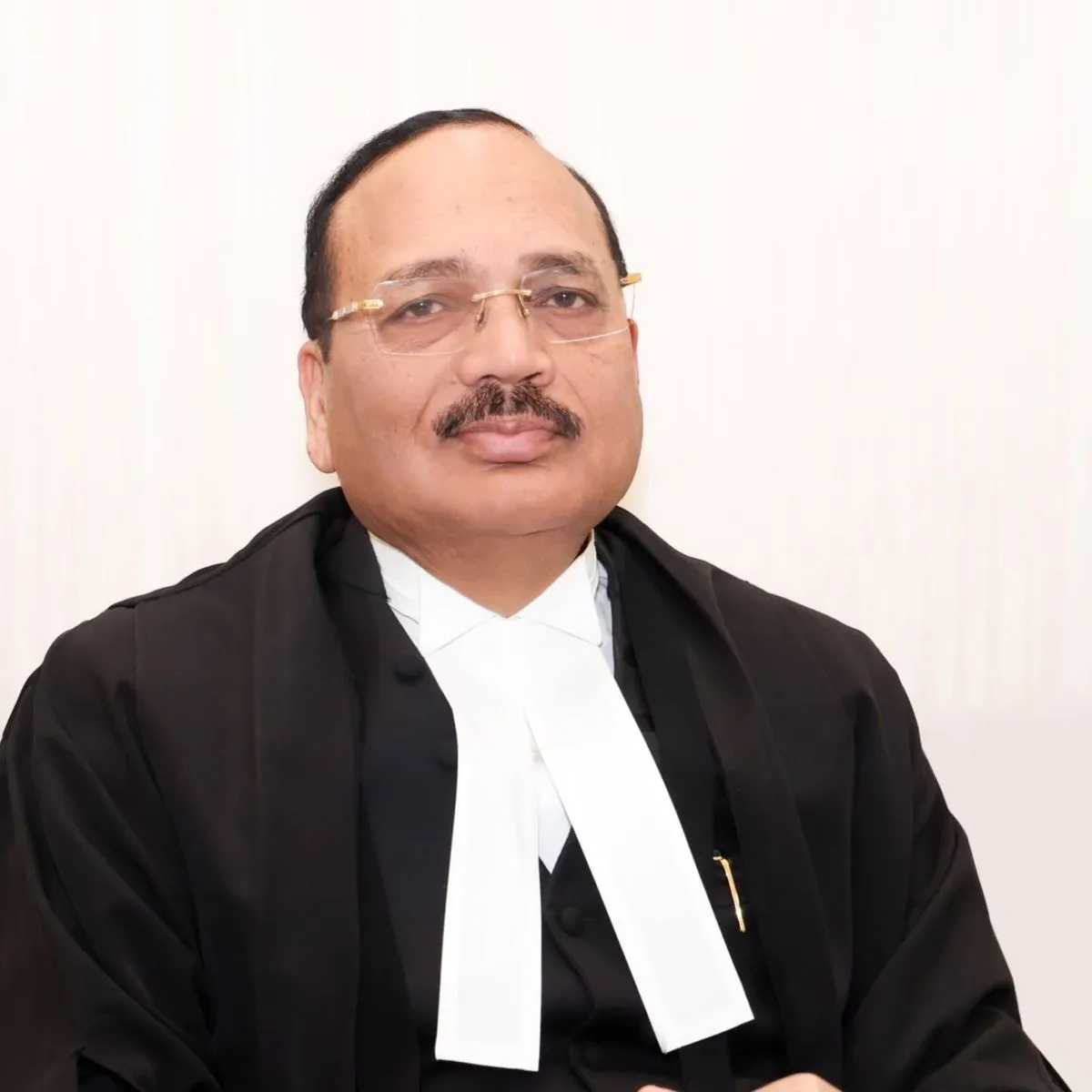
Significance of the Recommendations
The three judges recommended rank high in the overall seniority list of High Court judges across the country. Their elevation would help the Supreme Court move closer to its full sanctioned strength, which is important for managing the court’s substantial caseload.
The inclusion of two judges from the Allahabad High Court is also noteworthy. The Allahabad High Court has historically contributed several judges to the Supreme Court, and the latest recommendations would further strengthen that representation. Justice Vikram Nath, who is in line to become the next Chief Justice of India, and another sitting Supreme Court judge also began their judicial careers from the same High Court.
For the Delhi High Court, the elevation of its current Chief Justice would open the position for a new appointment, continuing the regular cycle of leadership changes in the High Courts.
The Collegium System and the Process Ahead
Under the Collegium system, the Supreme Court Collegium recommends names for elevation to the top court. These recommendations are then processed by the central government. While the government can seek reconsideration in certain cases, the Collegium’s decisions carry significant weight in the appointment process.
The current recommendations follow earlier exercises in which the Collegium has sought to fill vacancies and maintain a balanced composition on the bench. The emphasis on appointing sitting High Court Chief Justices reflects the preference for candidates with extensive judicial experience and administrative exposure.
Broader Context
The Supreme Court has been operating below its sanctioned strength for some time. Elevations of this nature help address the gap while bringing to the court judges who have already discharged the responsibilities of leading High Courts. Chief Justices of High Courts gain experience in administration, case management and institutional leadership, qualities that are considered valuable at the Supreme Court level.
Justice Upadhyaya’s journey from the Lucknow Bench to the Delhi High Court and now a recommendation for the Supreme Court illustrates one possible path within the judicial hierarchy. His long years of practice and service at the Lucknow Bench, followed by leadership roles in two major High Courts, form a substantial record.
Similarly, the prospective elevation of Justice Agarwal would add to the representation of women on the Supreme Court bench, an aspect that has drawn attention in discussions about the diversity of the higher judiciary.
What Comes Next
The recommendations will now be examined by the government as part of the established appointment procedure. If cleared, the three judges will take oath as judges of the Supreme Court, raising the court’s working strength and altering the composition of the bench.
For the High Courts they currently lead, their elevation would trigger a fresh round of appointments and transfers to fill the resulting vacancies in the positions of Chief Justice. The process forms part of the continuous movement of judges within the higher judiciary.
The Collegium’s decision to recommend Justice Devendra Kumar Upadhyaya along with Justice Sunita Agarwal and Justice Aparesh Kumar Singh represents a significant moment for all three and for the institutions they serve. It advances long judicial careers, strengthens the Supreme Court’s numbers, and continues the practice of drawing experienced High Court leaders into the country’s highest court.
Read more – Trubondlife.com
