
Starting a business from home with minimal capital has never been more accessible. Advances in digital tools, remote work platforms, and e-commerce infrastructure allow entrepreneurs to launch viable ventures using skills they already possess, a computer, and reliable internet. Many of these opportunities require startup costs ranging from zero to a few hundred dollars, far below traditional brick-and-mortar businesses. Service-based and online models consistently rank among the lowest-cost options because they rely primarily on expertise rather than inventory or physical space.
Home-based businesses offer clear advantages: reduced overhead, flexible scheduling, and the ability to scale gradually. Data from small business resources indicate that roughly half of U.S. businesses operate from home, reflecting both necessity and preference for lower-risk entry points. The ideas below focus on practical, demand-driven opportunities that can begin immediately with limited funds while providing realistic paths to income.
Freelance Writing and Content Creation
Freelance writing remains one of the most straightforward home-based businesses to launch. Businesses, blogs, agencies, and online publications constantly need articles, website copy, email sequences, product descriptions, and social media content. Startup costs are essentially zero if you already own a computer and internet connection. Optional tools such as grammar checkers or basic design software add only modest monthly fees.
New writers often begin with lower rates to build a portfolio, while those specializing in niches such as technology, finance, health, or marketing command higher pay. Pricing models include per-word rates, hourly fees, or project-based packages. Income varies widely by experience and specialization, with many freelancers progressing from part-time earnings of a few thousand dollars monthly to full-time incomes as they secure recurring clients. Success depends on consistent outreach through freelance platforms, direct pitches to businesses, and delivering reliable, well-researched work.
Virtual Assistant Services
Virtual assistants handle administrative, organizational, and specialized tasks remotely for entrepreneurs, executives, and small businesses. Common services include email management, calendar scheduling, customer support, data entry, research, and basic bookkeeping. Specialized VAs expand into social media posting, travel planning, or light project coordination.
This model requires almost no capital beyond a computer, internet, and perhaps productivity software. Entry-level rates typically start in the range of twenty to thirty dollars per hour for general tasks, rising significantly for specialized skills. Many assistants begin part-time and grow into full-time operations serving multiple clients. Demand remains strong because businesses seek cost-effective support without the expense of full-time employees. Building a client base involves creating a simple service listing, highlighting relevant experience, and delivering consistent results that encourage referrals.
Online Tutoring and Teaching
Online tutoring leverages subject expertise in academic areas, languages, music, test preparation, or professional skills. Platforms and video tools make it possible to connect with students worldwide from a home desk. Startup requirements are minimal: a computer or tablet, webcam, stable internet, and knowledge of the subject matter. Some tutors invest modestly in teaching platforms or marketing, but many begin using free video conferencing tools.
Rates commonly range from twenty-five to sixty-five dollars or more per hour depending on location, credentials, and specialization. Experienced tutors or those teaching high-demand subjects such as standardized tests, coding, or business skills can build substantial monthly income. The model works well for teachers, recent graduates, or professionals seeking flexible schedules. Consistency in availability, clear communication, and positive student outcomes drive growth through reviews and word-of-mouth.
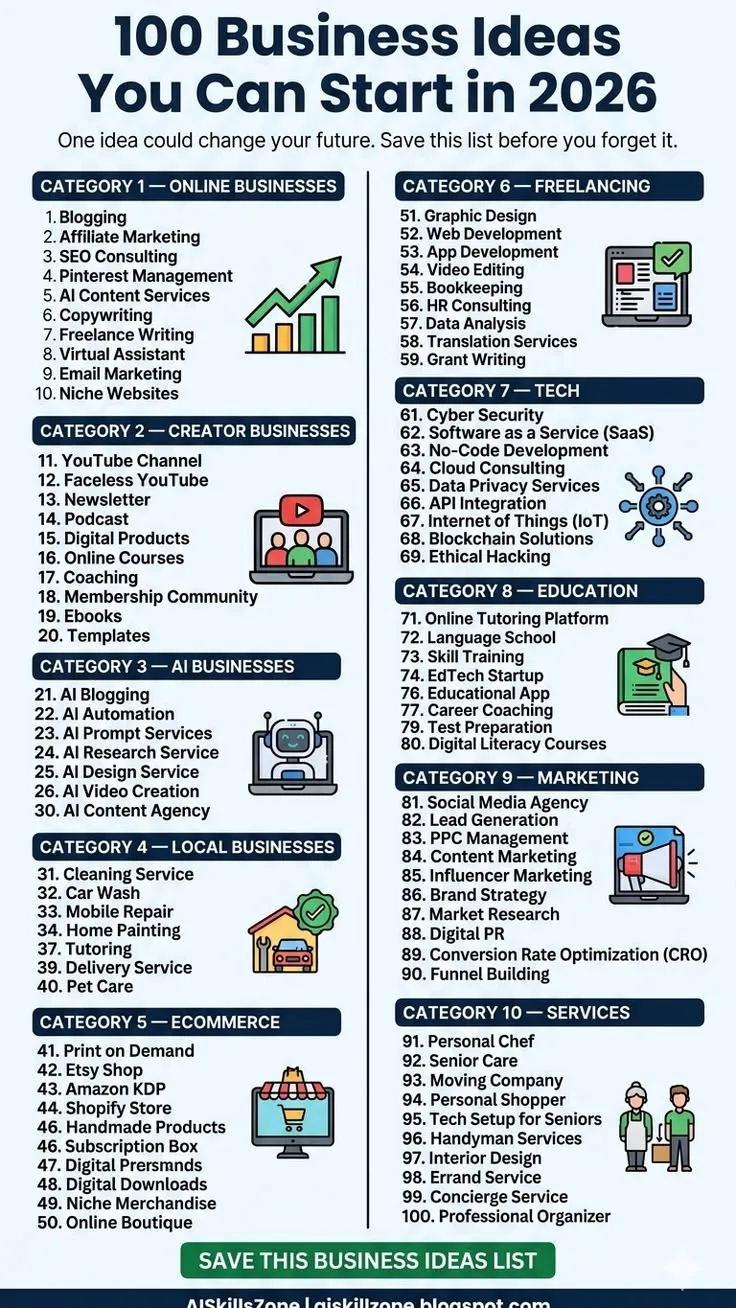
Dropshipping
Dropshipping allows entrepreneurs to sell products online without holding inventory. When a customer places an order, the supplier ships the item directly. This eliminates the need for warehouse space or large upfront stock purchases. A basic online store, product research, and marketing form the core of the business.
Realistic startup budgets for beginners often fall between a few hundred and two thousand dollars, covering domain registration, e-commerce platform fees, basic apps, and initial advertising tests. Lean launches can start lower by focusing on organic traffic first. Profitability depends on product selection, competitive pricing, reliable suppliers, and effective marketing. While competition exists, niches with strong demand and careful supplier vetting can produce sustainable results. The model scales by expanding product lines or refining advertising once initial sales validate the approach.
Print-on-Demand Businesses
Print-on-demand closely resembles dropshipping but focuses on customizable products such as apparel, mugs, posters, and accessories. Designers upload artwork, and a fulfillment partner prints and ships items only after an order arrives. No inventory or specialized equipment is required at the start.
Costs remain low: free or inexpensive design tools, an online storefront, and optional marketing spend. Many platforms charge nothing until a sale occurs or offer free entry plans. Success hinges on creating appealing designs that match current trends or serve specific audiences, combined with social media or search visibility. Margins improve with higher-volume sales and optimized product selection. Creative individuals and those with niche audiences find this model particularly accessible for testing ideas without financial risk.
Social Media Management
Businesses of all sizes need consistent social media presence but often lack time or expertise. Social media managers create content calendars, design posts, schedule updates, engage with followers, and track performance. Services can expand into advertising management or community building.
Startup costs stay minimal—primarily a computer, internet, and free or low-cost scheduling tools. Clients typically pay monthly retainers ranging from hundreds to several thousand dollars depending on the number of platforms and scope of work. Experience with popular platforms and an understanding of basic analytics help secure initial clients. Many managers begin by offering services to local businesses or personal networks before expanding through portfolios and referrals.
Online Course Creation and Digital Products
Professionals with specialized knowledge can package expertise into online courses, ebooks, or digital templates. Platforms designed for course delivery handle hosting and payments, allowing creators to focus on content. Startup needs include a computer, recording capability (often just a smartphone or webcam), and time to develop the material.
Initial costs remain low, especially when using free or freemium tools for recording and basic editing. Once created, digital products generate passive or semi-passive income through ongoing sales. High-demand topics in professional skills, personal development, health, or creative arts tend to perform well. Marketing through email lists, social channels, or partnerships supports long-term revenue.
Keys to Launching Successfully
Selecting an idea aligned with existing skills increases the odds of early traction. Validate demand by researching competitor offerings and speaking with potential customers before investing significant time. Establish a simple online presence—whether a freelance profile, basic website, or social accounts—to demonstrate credibility. Track basic finances carefully, set aside funds for taxes, and reinvest early profits into tools or marketing that expand reach.
Legal basics matter even for small operations: research local requirements for business registration or licensing if applicable, and use clear contracts or service agreements with clients. Consistency in delivery and continuous skill improvement separate sustainable businesses from short-lived experiments.
These home-based options demonstrate that meaningful income streams can begin with limited capital and focused effort. By matching personal strengths to proven models such as freelance services, digital product creation, or low-inventory commerce, individuals can build flexible, scalable businesses from their own homes. The key lies in starting promptly, delivering value, and refining the approach based on real market feedback.
Read more – wasatchglobal.com
